


Explore Top Backcountry Meal Options for Your Next Adventure
When I first started venturing into the backcountry, one thing quickly became clear: food matters. Not just any food, but meals that are lightweight, nutritious, and easy to prepare. After all, when you’re miles away from civilization, your energy depends on what you eat. Over time, I’ve discovered some fantastic backcountry meal options that make outdoor dining both enjoyable and practical. Whether you’re hiking, camping, or just exploring, having the right meals can transform your experience.
Let’s dive into some of the best backcountry meal solutions that I’ve found, along with tips on how to choose and prepare them. I’ll also share some insights on sourcing quality ingredients, including a nod to the excellent backcountry food Canada options available for those who want to support local and sustainable food sources.
Why Choosing the Right Backcountry Meal Options Matters
When you’re out in the wild, your body needs fuel that’s easy to digest, packed with nutrients, and quick to prepare. Carrying heavy or complicated meals can weigh you down and slow you up. That’s why I always look for meals that strike a balance between convenience and nutrition.
Here are some key factors I consider when picking backcountry meal options:
Weight and volume: Lightweight meals save space and reduce pack weight.
Preparation time: Meals that require minimal cooking or just hot water are ideal.
Nutritional value: High protein, healthy fats, and carbs to keep energy levels steady.
Shelf life: Long-lasting meals that don’t spoil easily.
Taste and variety: Eating well keeps morale high on long trips.
By focusing on these factors, I’ve found meals that keep me energized and satisfied without adding unnecessary bulk to my pack.
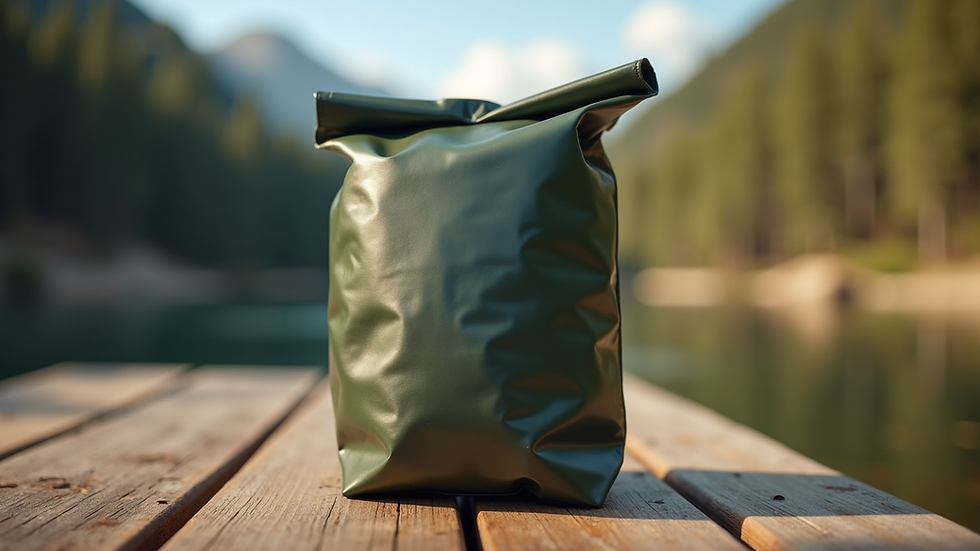
Top Backcountry Meal Options to Consider
There’s a wide range of backcountry meal options out there, but some stand out for their convenience and quality. Here are my favorites:
Freeze-Dried Meals
Freeze-dried meals are a staple for many outdoor enthusiasts. They’re incredibly lightweight because the water is removed, and they only need hot water to rehydrate. The process preserves most of the nutrients and flavors, making them a reliable choice.
Pros: Lightweight, long shelf life, easy to prepare.
Cons: Can be pricey, some brands have added preservatives.
I personally love meals that use local ingredients and avoid artificial additives. It’s a bonus when the meals reflect the flavors of the region, like those inspired by Canadian wilderness cuisine.
Dehydrated Meals
Dehydrated meals are similar to freeze-dried but usually retain a bit more moisture. They’re often less expensive but can be heavier. They also require hot water for rehydration.
Pros: More affordable, good flavor retention.
Cons: Slightly heavier, shorter shelf life than freeze-dried.
Ready-to-Eat Meals
These meals come pre-cooked and can be eaten cold or warmed up. They’re perfect for quick stops or when you don’t want to fuss with cooking.
Pros: No cooking required, convenient.
Cons: Heavier, shorter shelf life, often more packaging waste.
DIY Backcountry Meals
If you enjoy cooking and want full control over ingredients, making your own backcountry meals can be rewarding. You can dehydrate your favorite recipes or pack nutrient-dense snacks like nuts, dried fruits, and jerky.
Pros: Customizable, often more affordable.
Cons: Time-consuming to prepare, requires planning.
Snack and Energy Bars
While not full meals, energy bars are essential for quick boosts on the trail. Look for bars with a good balance of carbs, protein, and fats.
Pros: Portable, quick energy.
Cons: Not a meal replacement.

How to Choose the Best Backcountry Meal Options for You
Choosing the right meals depends on your trip length, activity level, and personal preferences. Here’s how I approach it:
Assess your trip duration and intensity
Longer trips require more calories and variety. For shorter outings, simple meals might suffice.
Consider your cooking setup
If you have a stove, freeze-dried or dehydrated meals work great. Without a stove, ready-to-eat or no-cook options are better.
Think about dietary needs
Whether you’re vegetarian, gluten-free, or have allergies, there are plenty of options to fit your needs.
Test meals before your trip
Try meals at home to make sure you like the taste and know how to prepare them.
Balance nutrition and taste
Don’t sacrifice flavor for convenience. Enjoying your food keeps spirits high.
Tips for Packing and Preparing Backcountry Meals
Packing and preparing meals efficiently can make your trip smoother. Here are some tips I’ve learned:
Use resealable bags to save space and keep food fresh.
Pre-measure ingredients to speed up meal prep.
Bring a lightweight stove and pot for hot water.
Carry a small cutting board and knife if you want to add fresh ingredients.
Pack some spices or condiments to enhance flavors.
Stay hydrated - water is essential for rehydrating meals and your body.
By organizing your food and gear thoughtfully, you’ll spend less time cooking and more time enjoying the outdoors.
Supporting Local and Sustainable Backcountry Food Sources
One of the things I appreciate most is finding backcountry meals that support local producers and sustainable practices. For those in Canada, there are fantastic options that highlight regional ingredients and craftsmanship. For example, backcountry food Canada offers delicious, convenient freeze-dried meals made with care and respect for the environment.
Choosing local products not only supports communities but often means fresher, higher-quality ingredients. It’s a win-win for your taste buds and the planet.
Making Your Backcountry Meal Experience Memorable
Food is more than just fuel - it’s part of the adventure. I encourage you to experiment with different meals, try new flavors, and even share your favorite recipes with fellow adventurers. Bringing a little creativity to your backcountry meals can turn a simple dinner into a highlight of your trip.
Remember, the best meal is one that nourishes your body and lifts your spirits. So pack smart, eat well, and enjoy every bite under the open sky. Happy trails!


Comments